Exploring Vertical Gardening Techniques for Limited Spaces
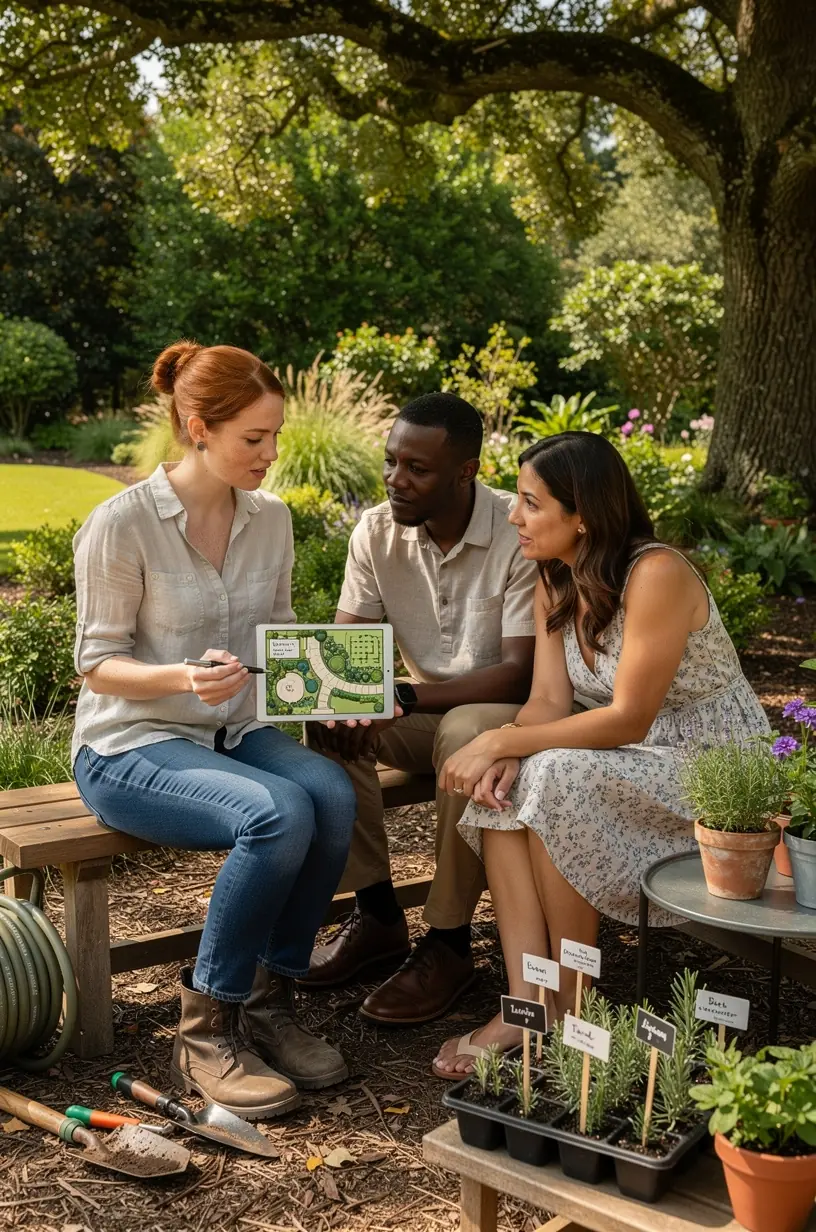
As urban living spaces become increasingly compact, many gardening enthusiasts are turning to vertical gardening as a solution. This article explores effective vertical gardening techniques that can help maximize your limited space while enhancing your home environment.
Understanding the Basics of Vertical Gardening
Vertical gardening involves growing plants upward rather than outward, making it a practical choice for small spaces. According to research, vertical gardens can increase the overall yield of plants by using limited floor space efficiently. This works because it allows plants to capture more sunlight and encourages air circulation, which is vital for healthy growth.
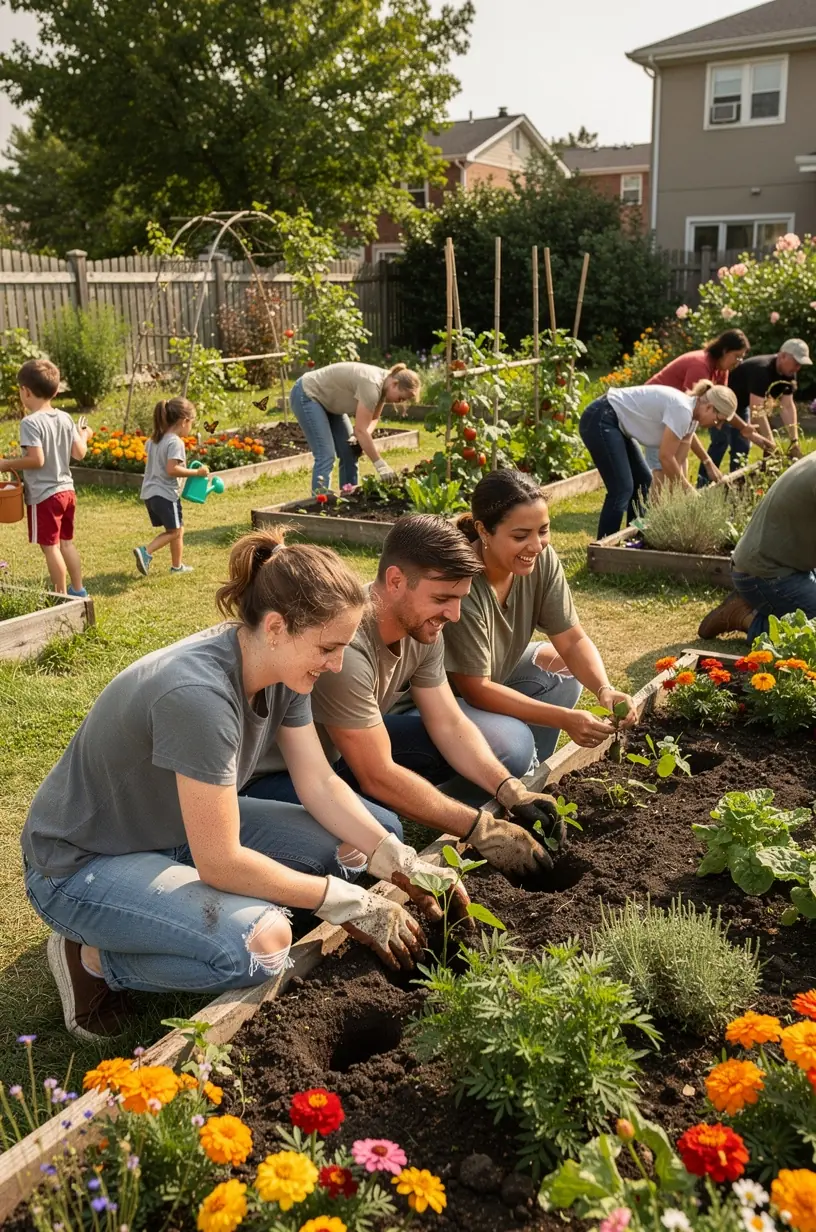
"Vertical gardening can transform a small area into a lush, green space, providing not just beauty but also improved air quality." - Gardening Expert
Benefits of Vertical Gardening
Many users report several advantages to vertical gardening, including:
- Space Efficiency: Vertical gardens can utilize walls, trellises, and other vertical structures, allowing you to grow a variety of plants without requiring additional ground space.
- Improved Aesthetics: A well-designed vertical garden can enhance the visual appeal of any space, contributing to a calming atmosphere.
- Environmental Benefits: Vertical gardens can help reduce urban heat and improve air quality, making them an eco-friendly choice for city dwellers.
Techniques for Vertical Gardening
When implementing vertical gardening, consider the following techniques:
- Wall Planters: These are specially designed planters that can be mounted on walls. They allow for a variety of plants to be placed in a compact area. Many users find that wall planters can accommodate herbs, flowers, or small vegetables, making them versatile.
- Trellises and Lattice: Installing a trellis or lattice can provide support for climbing plants such as beans or cucumbers. This not only saves space but also adds an interesting visual element to your garden.
- Hanging Baskets: Utilizing hanging baskets can vertically expand your gardening area. They are ideal for plants like strawberries or trailing flowers, which can create a beautiful cascading effect.
Challenges to Consider
While vertical gardening offers many benefits, it also comes with challenges. For instance, maintaining proper irrigation can be more complex when plants are stacked vertically. Studies suggest that vertical systems often require a commitment of time and effort to ensure plants receive adequate water and nutrients. Additionally, it's essential to choose plants that are suitable for vertical growth, as not all plants thrive in these conditions.
Conclusion
Vertical gardening can be a rewarding way to utilize limited space effectively. By understanding the principles behind it, as well as the techniques and challenges involved, you can create a flourishing garden that enhances your living environment. Whether you're an urban gardener or just someone looking to add greenery to your home, incorporating vertical gardening methods can offer both aesthetic and environmental benefits. Start small, and gradually expand your vertical garden as you gain experience and confidence.
Learn More