How to Create a Pollinator-Friendly Landscape
Creating a pollinator-friendly landscape is not only beneficial for the environment, but it can also enhance the beauty of your garden. In this article, we will explore effective strategies to attract bees, butterflies, and other beneficial insects that are crucial for pollination.
Understanding the Importance of Pollinators
Pollinators play a critical role in our ecosystems by facilitating plant reproduction. According to the U.S. Department of Agriculture, more than 75% of flowering plants depend on pollinators for reproduction. This means that a healthy population of pollinators is essential for producing fruits, vegetables, and nuts.

"Many crops would not be able to produce without the crucial assistance of pollinators." - National Pollinator Health Strategy
Choosing the Right Plants
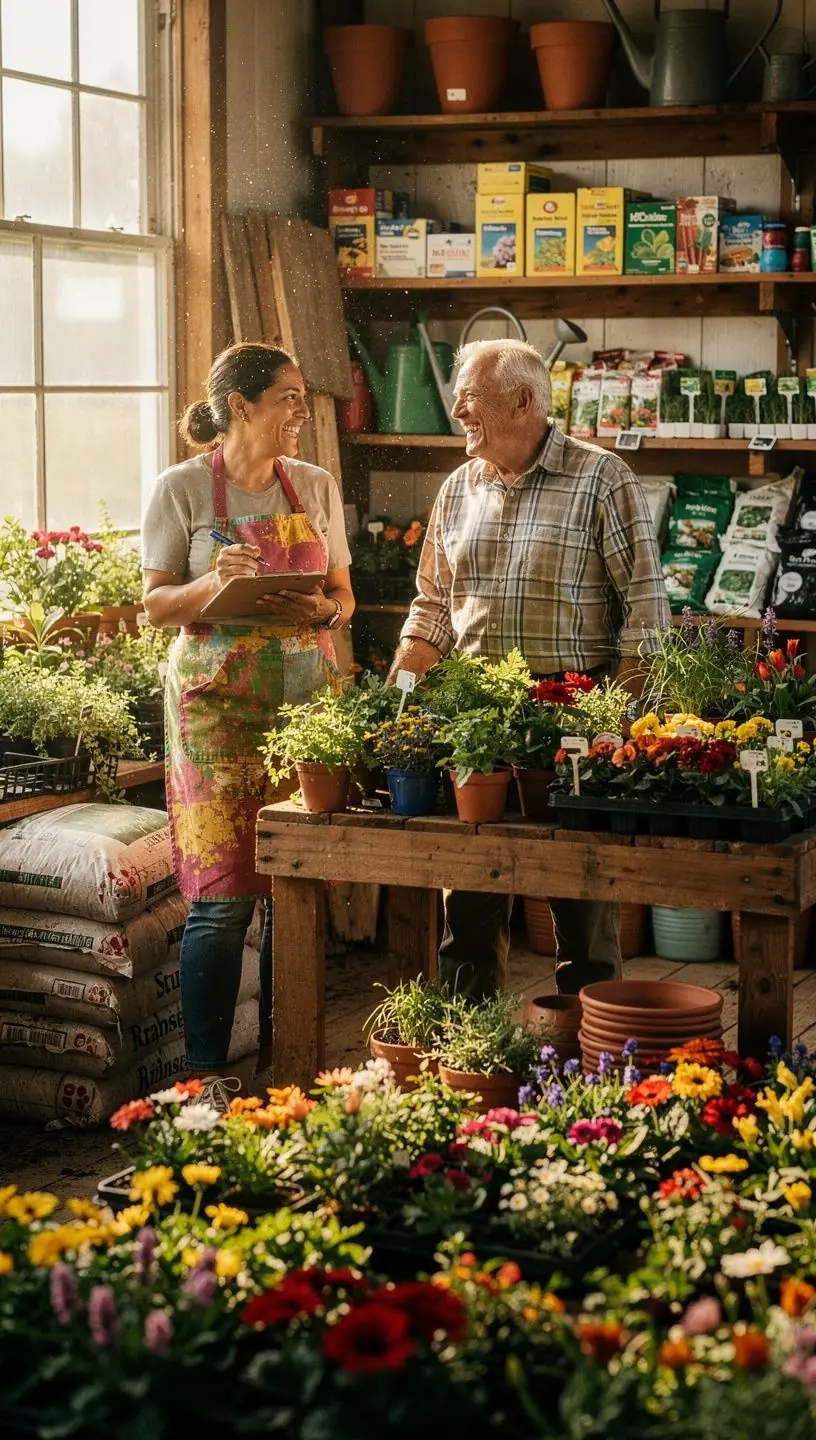
To create an inviting habitat for pollinators, the selection of plants is vital. Here are some tips to consider when choosing plants:
- Diversity is Key: Incorporate a variety of flowering plants that bloom at different times throughout the growing season. This ensures a continuous food source for pollinators. Experts recommend using native plants, which are better adapted to local conditions.
- Avoid Invasive Species: While some ornamental plants may look appealing, they can often outcompete native plants and disrupt local ecosystems.
- Use Pesticides Responsibly: If pesticides must be used, consider applying them in the evening when pollinators are less active, and always follow label instructions.
Creating Habitat Spaces
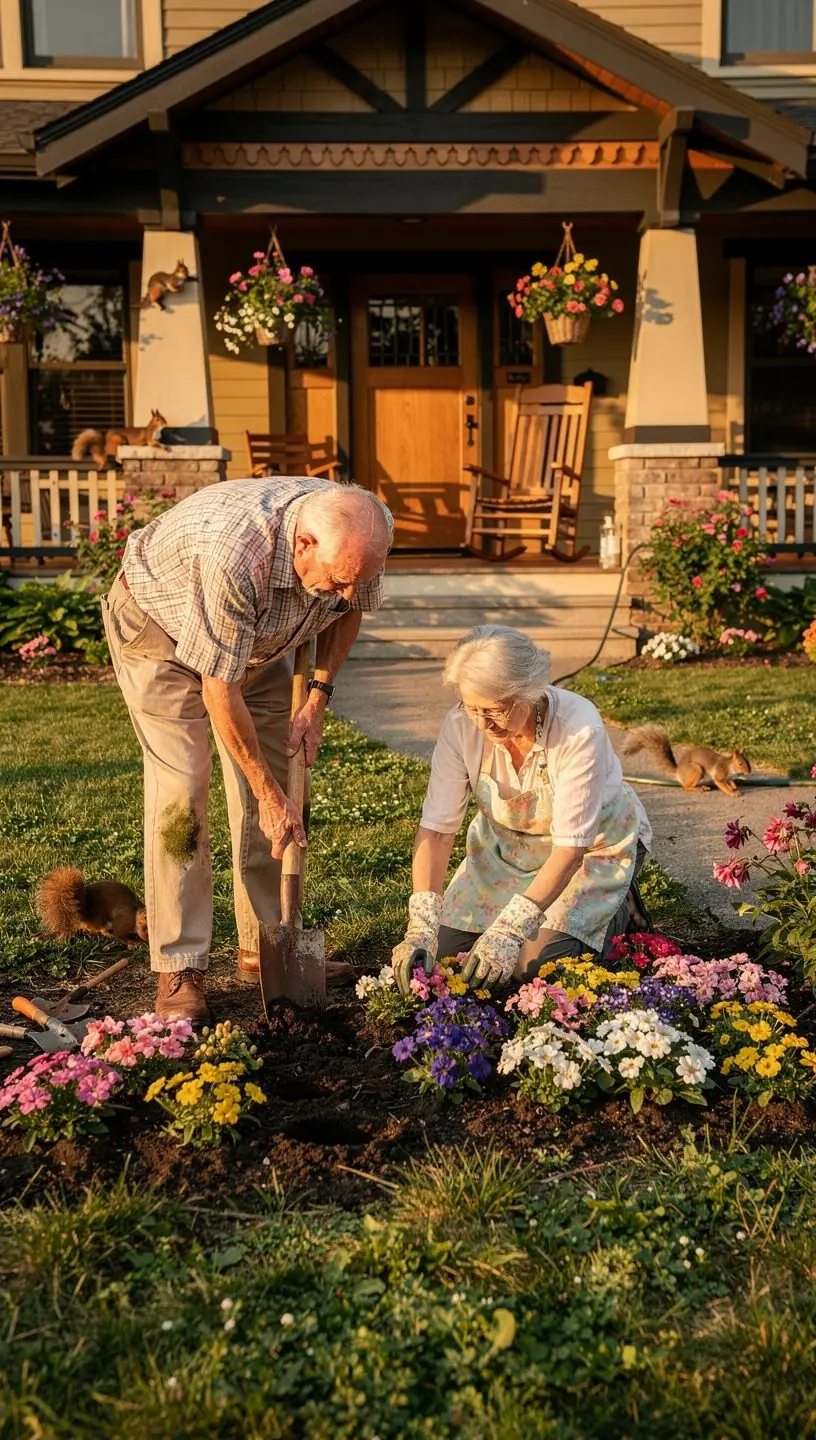
In addition to planting the right flowers, there are several practices to enhance the habitat:
- Provide Shelter: Incorporate elements like shrubs, trees, and even dead wood to offer shelter for pollinators. These can help protect them from predators and harsh weather conditions.
- Install Water Sources: A shallow water source, like a birdbath with rocks for landing, can attract pollinators seeking hydration.
- Avoid Monocultures: Creating large areas of a single plant type can deter pollinators; try to mix various species within your landscape.
Maintaining Your Pollinator Landscape
Establishing a pollinator-friendly landscape requires ongoing maintenance:
While the initial setup may take a few weeks to a few months, consistent upkeep is essential. Typically, routine maintenance will involve:
- Regular watering, especially during dry spells.
- Weed control to ensure that native plants thrive.
- Periodic observation to identify and address pest issues without disturbing pollinator activities.
Conclusion
Creating a pollinator-friendly landscape is a rewarding endeavor that supports both biodiversity and the beauty of your garden. By implementing thoughtful plant choices, creating diverse habitats, and maintaining your garden effectively, you can significantly contribute to the health of local pollinator populations. Remember, the journey towards a vibrant pollinator-friendly garden typically takes time and effort, but the benefits to your garden and environment are worth it.