How to Plan a Functional Small Garden Layout
Planning a small garden can be a rewarding venture, allowing you to create a functional and beautiful space that complements your home. This article provides practical insights into designing small-scale gardens, focusing on effective strategies and considerations that can help you achieve a well-organized outdoor area.
Understanding the Basics of Small Garden Design
When designing a small garden, it's essential to comprehend the fundamental principles of space utilization. Experts recommend starting with a clear vision of how you want to use the space, whether for relaxation, growing vegetables, or entertaining guests. According to industry research, a well-planned garden can enhance the functionality of your outdoor area by up to 30%.
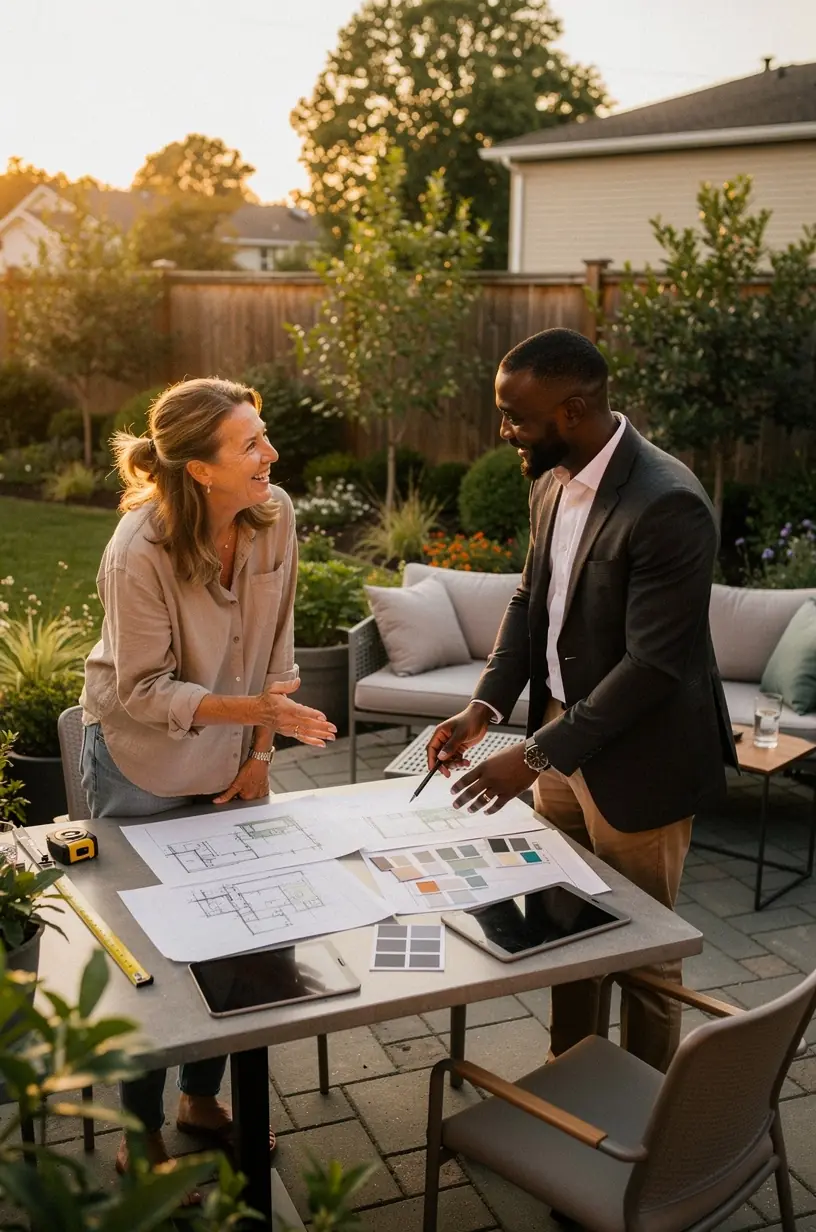
"A small garden can be just as functional and beautiful as a larger one, provided the design is carefully considered."
Key Considerations for Your Garden Layout
Here are several important factors to keep in mind while planning your small garden:
- Define Your Purpose: Think about how you will use your garden. Common purposes include relaxation, growing herbs or vegetables, or creating a small outdoor dining area. Having a clear goal will guide your design process.
- Assess Sunlight and Shade: Many users report that understanding the sunlight patterns in your garden can affect plant selection and layout. Take note of which areas receive full sun and which are shaded at different times of the day.
- Select Appropriate Plants: Choose plants that are suitable for small spaces. Experts suggest opting for vertical gardening techniques, such as trellises or hanging pots, which can maximize your growing area without expanding your footprint.
- Incorporate Pathways: Creating defined pathways can help in organizing the garden layout and improving accessibility. Consider using materials like gravel, stepping stones, or mulch to define these areas.
Implementing Your Garden Design
Once you've established the key elements of your garden, you can proceed to implement your design. This process typically involves:
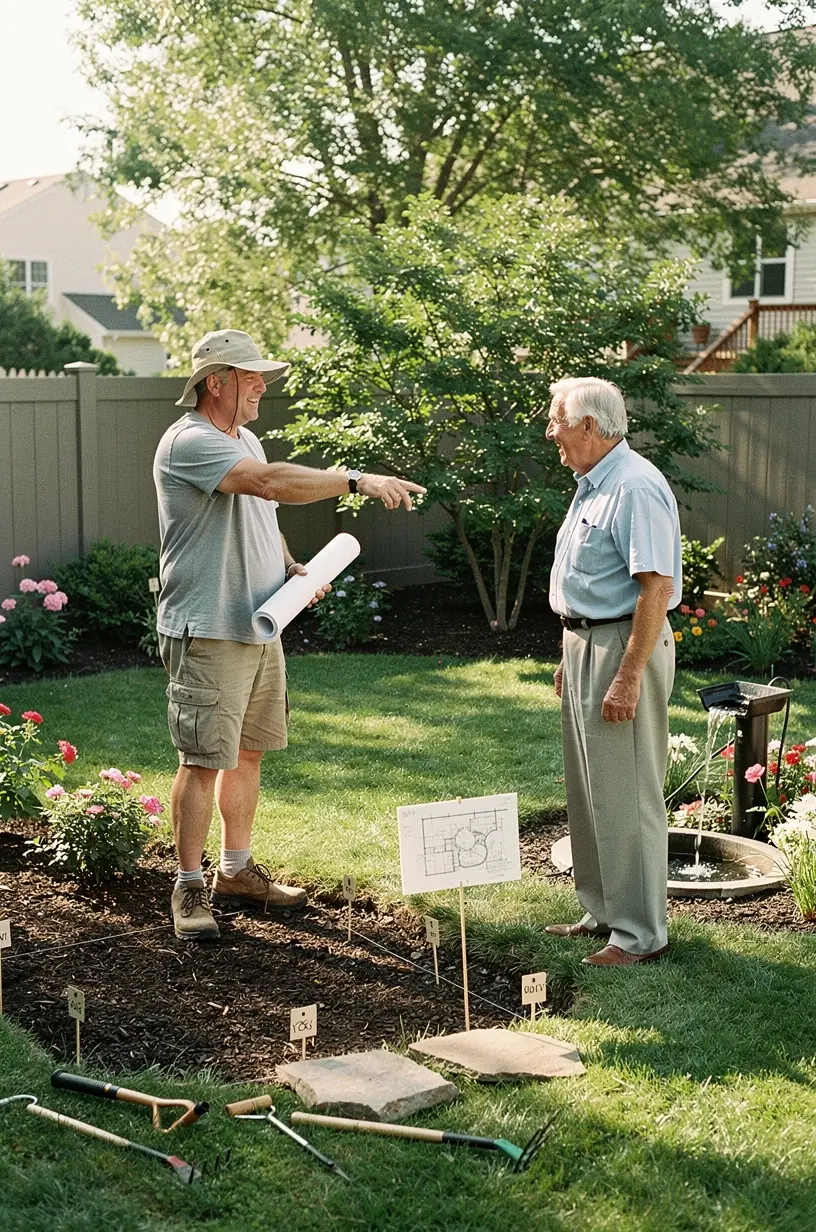
- Sketching Your Layout: Start with a rough sketch of your garden, including the locations of plants, pathways, and any seating areas. This visual representation will help clarify your vision.
- Preparing the Soil: Most gardens require some soil preparation. This may involve testing pH levels and adding organic matter to improve soil fertility. Experts indicate that healthy soil can significantly impact plant growth.
- Planting: Timing is crucial when planting. In most cases, spring is the ideal season for planting, as it gives plants time to establish before the heat of summer.
- Maintenance: Regular maintenance is necessary to keep your garden thriving. This typically includes watering, weeding, and pruning. Allocate time each week to care for your plants.
Common Pitfalls to Avoid
While designing a small garden, it's important to be aware of potential challenges. Many users have experienced issues such as overcrowding, poor plant selection, or neglecting maintenance. Keep your design simple and avoid cramming too many plants into the space, as this can lead to competition for resources.
Conclusion
Designing a functional small garden layout is an achievable goal with thoughtful planning and consideration. By understanding the basic principles of garden design, assessing your needs, and following a systematic approach, you can create a space that is both beautiful and practical. Remember that results typically require ongoing care and adjustments, so be prepared to invest time and effort into your garden project.
Learn More