Understanding Native Plant Selection for Small Gardens
Selecting the right plants for your small garden can be a daunting task. However, understanding native plants and their benefits can simplify the process and lead to a thriving garden. This article explores native plant selection, its importance, and practical tips for small-scale landscaping.
Why Choose Native Plants?
Native plants are species that have evolved in a specific region over thousands of years. They are typically well-adapted to the local climate and soil conditions, making them an effective choice for small gardens. According to studies, gardens with native plants can reduce maintenance needs by up to 50%, as these plants are more resilient to local pests and diseases.
"Native plants provide essential habitats for local wildlife and contribute to biodiversity in the area." - Conservation experts
Benefits of Native Plants
- Low Maintenance: Native plants generally require less water and fertilizer compared to non-native species, making them a suitable choice for the busy gardener.
- Support for Local Ecosystems: Planting native species helps sustain local wildlife, including pollinators like bees and butterflies, which are essential for food production.
- Environmental Resilience: Native plants have adapted to withstand local weather conditions, reducing the need for chemical treatments and irrigation.
How to Select the Right Native Plants
When choosing native plants for your small garden, consider the following steps:
- Research Local Species: Investigate which native plants thrive in your specific region. The USDA Plant Database and local extension services are valuable resources for identifying suitable species.
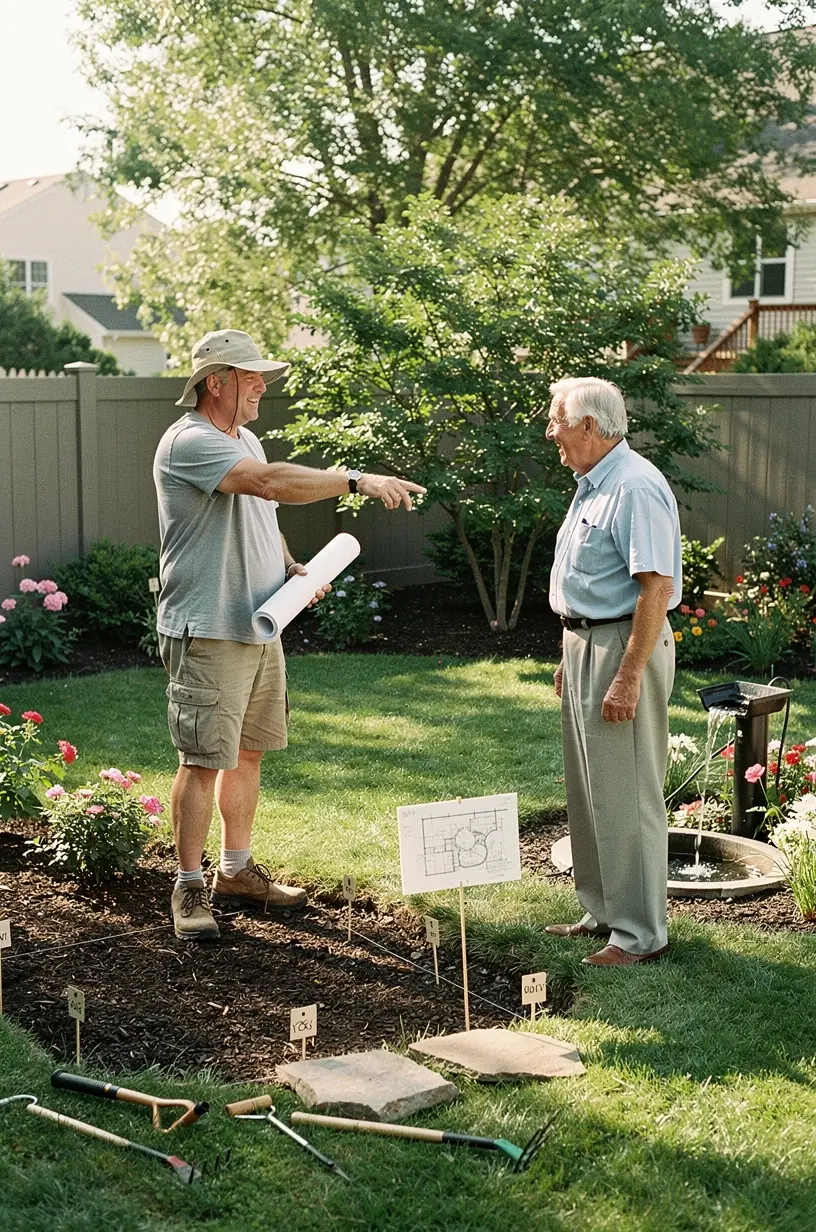
- Assess Your Garden's Conditions: Evaluate factors such as sunlight, soil type, and moisture levels. Most native plants are adaptable, but selecting those that are well-suited to your garden's conditions is ideal.
- Plan for Seasonal Interest: Choose a mix of plants that bloom at different times of the year to ensure your garden remains vibrant throughout all seasons.
Common Mistakes to Avoid
While native plants are often easier to manage, there are a few common pitfalls to avoid:
- Overcrowding: Small gardens can quickly become cramped. Be mindful of the mature size of each plant to avoid overcrowding as they grow.
- Neglecting Soil Health: Even native plants benefit from healthy soil. Incorporating organic matter can improve soil structure and fertility.
- Poor Plant Selection: Not all native plants are suitable for every garden. Researching and understanding each plant's specific needs is crucial for successful growth.
Conclusion
Understanding native plant selection is a crucial step in creating a thriving small garden. By choosing the right species, you can enhance your garden's resilience, support local ecosystems, and reduce maintenance time. Remember that while native plants can simplify the gardening process, they still require planning and care to flourish. With proper research and thoughtful choices, your small garden can become a beautiful and sustainable space.
Learn More