The Role of Hardscape in Small-Scale Garden Design
In the world of small-scale garden design, hardscape plays a crucial role in creating functional and aesthetically pleasing outdoor spaces. This article explores how hardscape elements can enhance your garden while offering practical insights into effective design practices.
Understanding Hardscape in Garden Design
Hardscape refers to the non-plant elements of landscaping, including patios, walkways, walls, and other structures. According to industry experts, integrating hardscape features can significantly enhance the usability of your garden space. This is particularly true in small-scale gardens, where every square foot counts.
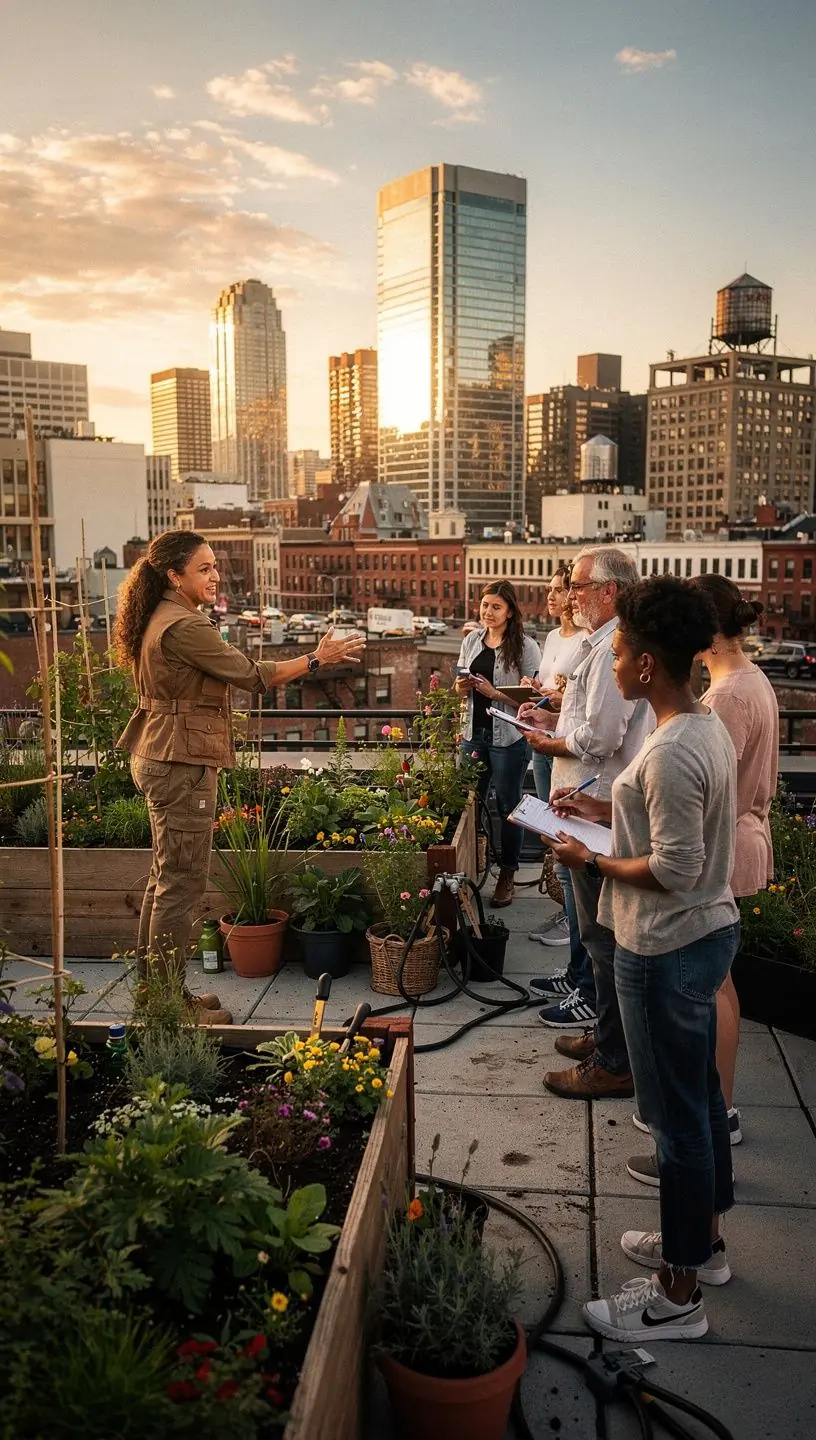
"Incorporating hardscape elements can improve the functionality and visual appeal of small gardens, making them more enjoyable for users." - Landscape Design Expert
Benefits of Hardscape in Small Gardens
In small-scale garden design, hardscape elements serve various purposes:
- Defined Spaces: Hardscaping can help delineate different areas within the garden, such as dining zones, relaxation spots, and walking paths. This organization often leads to a more functional layout.
- Low Maintenance: Many hardscape materials require less upkeep compared to plants. This can be particularly beneficial for individuals who prefer a hassle-free garden experience. Studies show that homeowners often report a decrease in maintenance time when using hardscape features.
- Soil Erosion Prevention: Properly designed hardscapes can help manage water runoff and minimize erosion, which is often a concern in smaller gardens. Implementing these features can lead to a healthier garden ecosystem.
Design Principles for Effective Hardscaping
To achieve a balanced and visually appealing garden, consider the following design principles when incorporating hardscape elements:
- Proportionality: Ensure that hardscape features are proportional to the size of your garden. Oversized elements can overwhelm a small space, while too many small pieces may lack impact.
- Natural Integration: Choose materials that complement the natural surroundings. For instance, using natural stone can create a seamless transition between hardscape and softscape areas.
- Functional Design: Hardscape should serve a purpose. Incorporate seating areas, pathways, or raised beds that enhance the garden's usability. Research indicates that gardens designed with functionality in mind are more frequently enjoyed by their users.
Challenges and Considerations
While hardscape offers numerous benefits, it does come with its own set of challenges:
- Initial Investment: Hardscaping can require a significant upfront investment, depending on the materials and design. It's essential to plan and budget accordingly.
- Installation Time: The installation of hardscape features typically takes 1-3 weeks, depending on project complexity. Homeowners should prepare for this time commitment when planning their designs.
- Environmental Impact: It's important to consider sustainability when selecting materials. Many experts recommend using locally sourced materials to minimize environmental effects.
Conclusion
Hardscape elements are essential in small-scale garden design, offering numerous benefits from increased functionality to reduced maintenance. By understanding how to effectively incorporate these features, homeowners can create inviting and practical outdoor spaces. As you consider your garden's design, take the time to explore various hardscaping options that align with your vision and needs. Remember, the goal is to enhance your garden's appeal while ensuring it remains a manageable and enjoyable environment.
Learn More