Practical Guide to Seasonal Planting in Small Gardens
Transforming a small garden into a vibrant space can be achieved through effective seasonal planting. This guide will provide insights into how to maximize your garden's potential while considering practical plant choices and seasonal variations.
Understanding the Basics of Seasonal Planting
Seasonal planting involves selecting plants that thrive during specific times of the year. According to research from the American Society of Landscape Architects, understanding your USDA hardiness zone can significantly enhance plant selection and garden performance. Many experts recommend that gardeners familiarize themselves with their particular climate conditions to ensure the best outcomes.
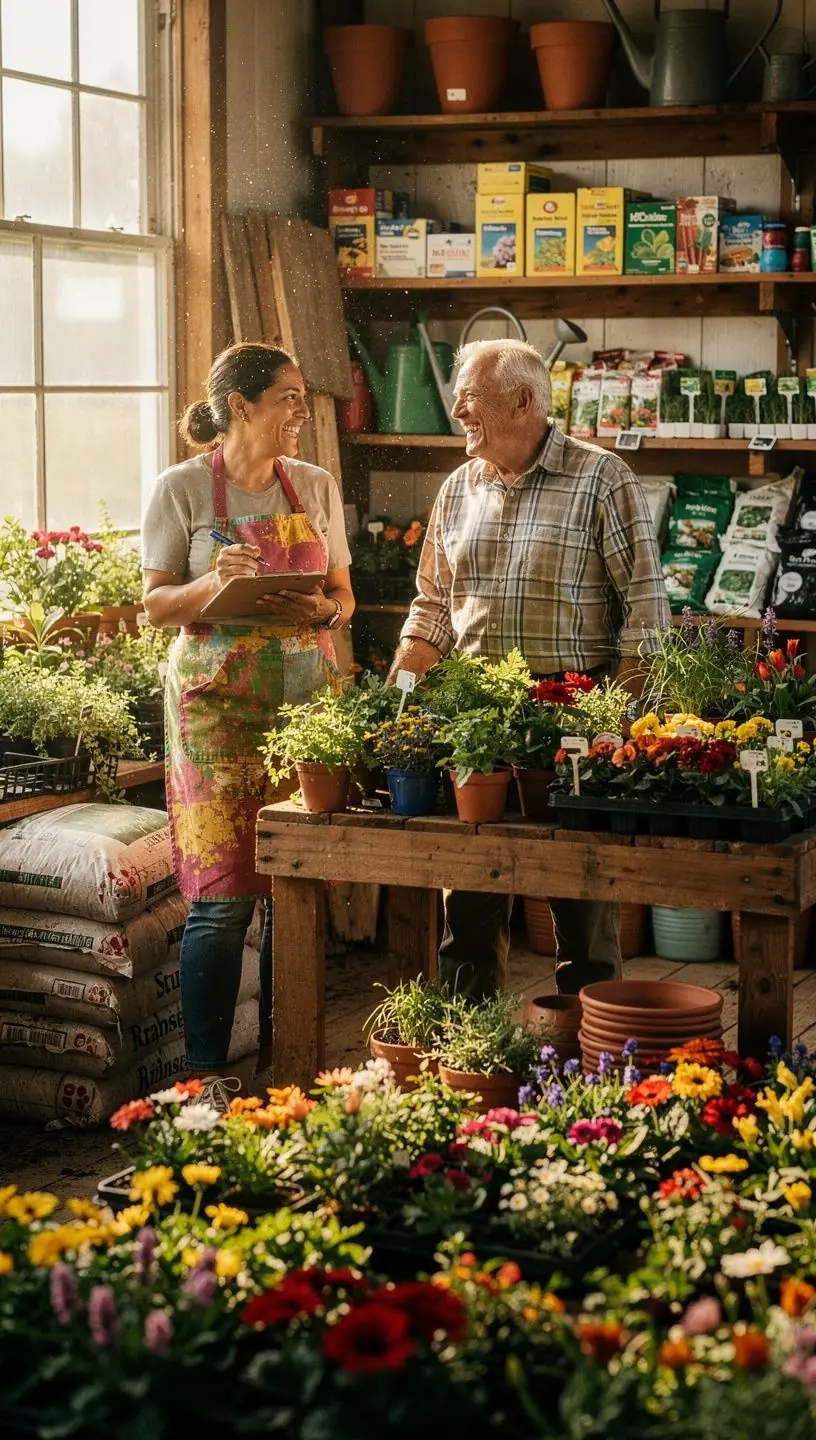
"Choosing plants that are suited to your local climate is essential for a successful garden." - Landscape Architect
How to Choose the Right Plants
When selecting plants for seasonal planting, consider the following:
- Climate Adaptability: Identify plants that are native or well-adapted to your region. This can increase their resilience and reduce maintenance efforts.
- Soil Conditions: Conduct a soil test to understand pH and nutrient levels, which can influence plant growth. Amendments may be necessary based on test results.
- Sunlight Availability: Observe your garden's sunlight patterns throughout the day. Many plants thrive in either full sun, partial shade, or full shade, which should influence your choices.
Spring Planting: Getting Started
Spring is a crucial time for planting as it marks the end of frost in many regions. According to the National Gardening Association, planting in spring can yield a variety of blooms and crops:
- Annuals: Consider planting marigolds, petunias, and zinnias, which typically bloom from late spring to early fall.
- Vegetables: Cool-season crops like lettuce, peas, and radishes can be sown early in the season, often before the last frost.
Summer Maintenance and Planting
Summer is when gardens require consistent care. Experts recommend regular watering schedules and mulching to retain moisture. Additionally, summer is the time for:
- Succession Planting: To ensure a continuous harvest, sow crops like beans and cucumbers every few weeks.
- Deadheading: Regularly remove faded flowers from perennials and annuals to encourage new growth and extended blooming periods.
Fall Preparation: Ready for Winter
As temperatures drop, it's essential to prepare your garden for the colder months. Many users report that fall planting can offer surprising benefits:
- Perennials: Fall is an ideal time to plant perennials, allowing roots to establish before winter. Options like asters and chrysanthemums can add late-season color.
- Bulb Planting: According to gardening experts, fall is the perfect time for planting spring-blooming bulbs like tulips and daffodils, which require a chilling period.
Conclusion: Seasonal Planting for Small Gardens
Seasonal planting in small gardens can yield rewarding results with the right strategies. By understanding your climate, choosing suitable plants, and adhering to seasonal gardening practices, you may see significant improvements in your garden's health and aesthetic appeal. Remember, gardening is a journey that requires patience and dedication, but the effort can lead to beautiful rewards.
Learn More